
Most Popular Web Design Trends: What's Shaping the Digital World Today
"If you think good design is expensive, you should look at the cost of bad design."
— Ralf Speth
Minimalism with a focus on content
Clean interfaces, generous white space and a clear information hierarchy remain the foundation of a modern website. Minimalism helps users orient themselves quickly and focus on what matters most — the content.
Dark mode and contrasting colors
Dark mode is no longer just an add-on. It has become a fully fledged part of the design, one that looks elegant, eases eye strain and makes visual elements stand out. Combined with bold accents, it creates a powerful visual impression.
Microinteractions and subtle animations
Small movements, transitions and responses to user actions make a website feel more alive and natural. Microinteractions increase engagement and improve the overall user experience without feeling intrusive.
Typography as the main visual element
Large, expressive typefaces are taking center stage. Today, typography is no longer just a carrier of text, but a key design element that sets the tone for the entire page.
User-centered design
User experience (UX) is a priority. Trends point toward intuitive navigation, fast loading times and logical content layout across all devices.
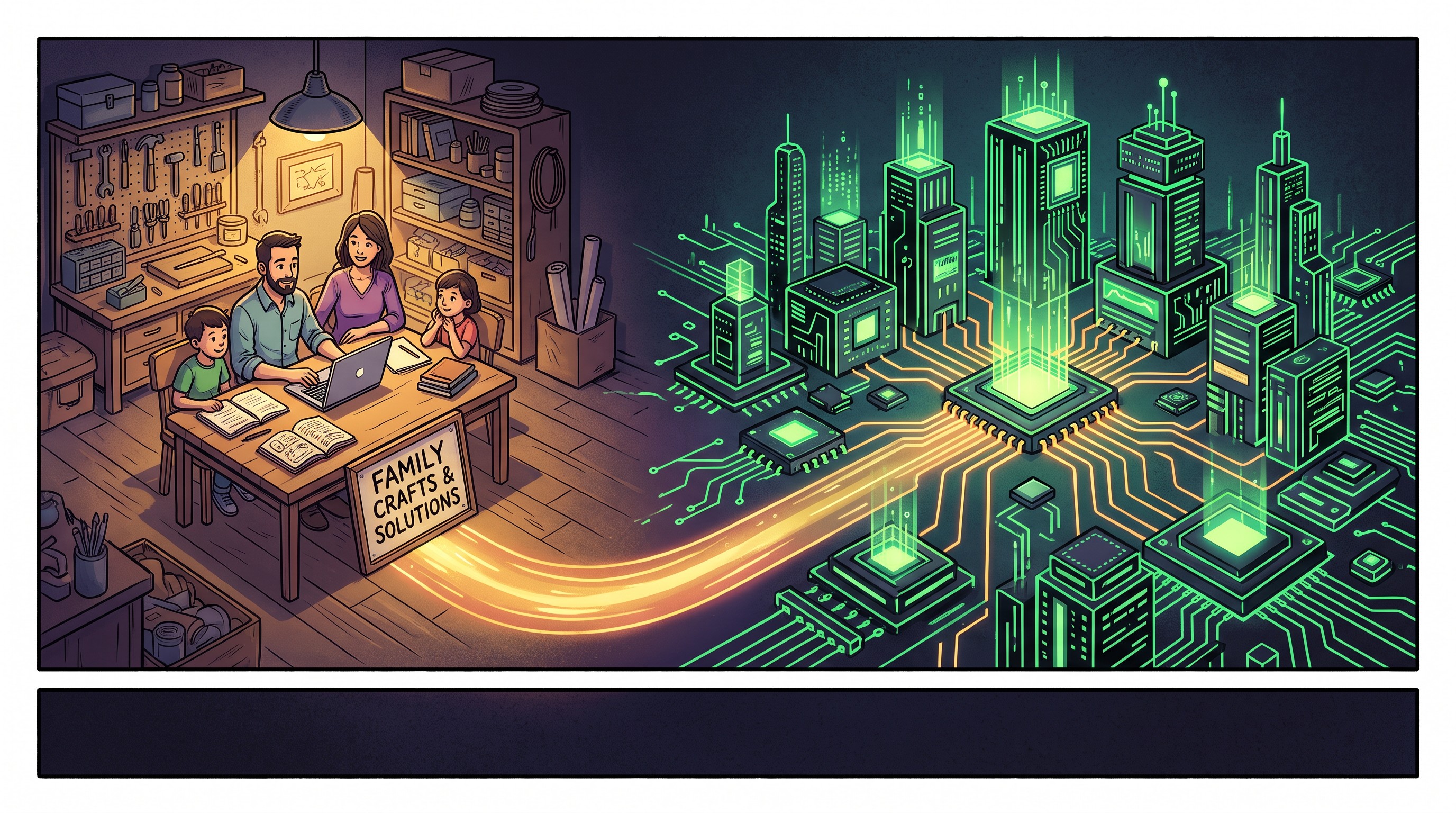
Authentic visuals and a distinct identity
Instead of generic stock photos, original photography, illustrations and videos now dominate. Brands want to be recognizable and come across as authentic.


Leave a comment
Your comment will appear after it is approved.